
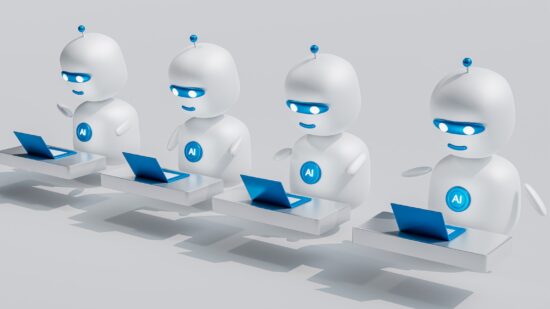
The NewYorkTimes.com reported that “Fueled partly by American tech companies, governments around the globe are racing to deploy generative A.I. systems and training in schools and universities.” The January 2, 2026 article entitled “As Schools Embrace A.I. Tools, Skeptics Raise Concerns” included these comments writer Natasha Singer:
Some U.S. tech leaders say A.I. chatbots — which can generate humanlike emails, create class quizzes, analyze data and produce computer code — can be a boon for learning. The tools, they argue, can save teachers time, customize student learning and help prepare young people for an “A.I.-driven” economy.
But the rapid spread of the new A.I. products could also pose risks to young people’s development and well-being, some children’s and health groups warn.
A recent study from Microsoft and Carnegie Mellon University found that popular A.I. chatbots may diminish critical thinking. A.I. bots can produce authoritative-sounding errors and misinformation, and some teachers are grappling with widespread A.I.-assisted student cheating.
Silicon Valley for years has pushed tech tools like laptops and learning apps into classrooms, with promises of improving education access and revolutionizing learning.
Still, a global effort to expand school computer access — a program known as “One Laptop per Child” — did not improve students’ cognitive skills or academic outcomes, according to studies by professors and economists of hundreds of schools in Peru. Now, as some tech boosters make similar education access and fairness arguments for A.I., children’s agencies like UNICEF are urging caution and calling for more guidance for schools.
Of course not surprises here!